Ships
Dare more, risk less
30% of casualties and incidents occurred with ships are
collision or contacts
Today
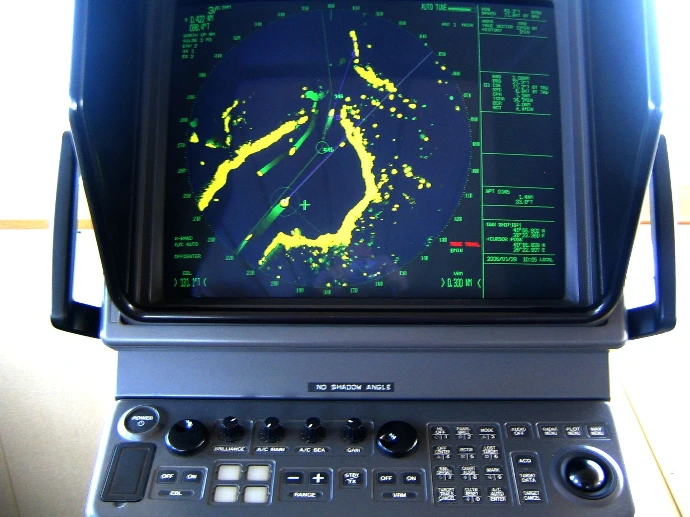
CPA, TCPA / BCR, BCT
The actual criteria for collision risk estimation make the hypothesis that nobody involved in the risk will change their minds, and so has to be checked regurarly
Exclusion zones
around ships vary with a lot of parameters (relative velocity, visibility, maneuverability), but are empiric and don't reflect the complexity of a dense zone
NRML, ARML, NDRM
The actual computing methods for collision avoidance routes don't take into account capabilities of obstacles and make it difficult to deal with multiple obstacles
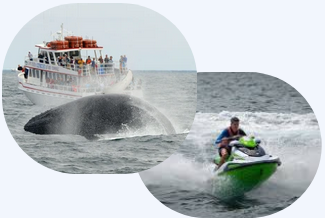
Obstacles motion are uncertain
Because we don't know their intentions and ability, we must consider that their maneuver capabilities are adversarial
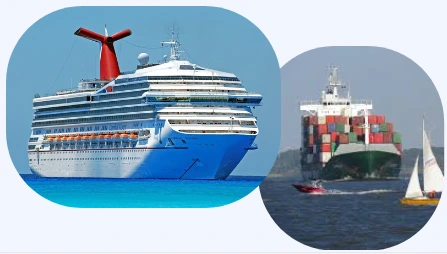
Ships have maneuver capabilities
That has a positive influence on the risk, if they are well taken into account, even more for large ships

A detailed and explainable analysis without massive computing
A configurable software to test different hypotheses

A physical analysis that lead to reliable information
 Dare more, risk less
Our Solution
takes into account the maneuverability capabilities of obstacles and the ego vehicle to provide the following information: “You may not be able to avoid a collision at less than X knots within T seconds.”